

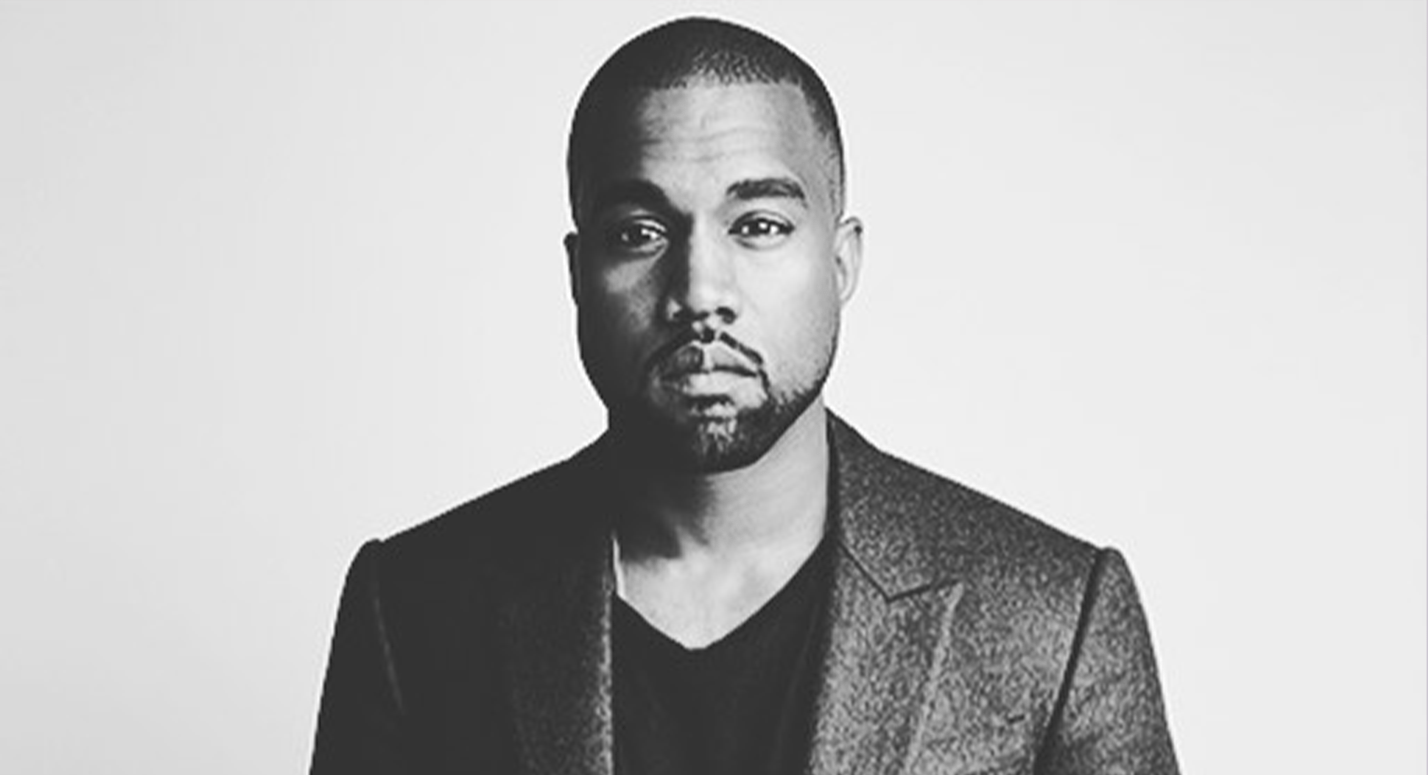

Kanye West, now known as Ye, has responded to criticism surrounding his recent public apology. He clarified that it was rooted in genuine remorse rather than an effort to revive his commercial success. It also was not intended to promote new music. Additionally, in his Kanye West apology letter, he addresses the controversy with sincerity. The Kanye West apology letter has drawn global attention for its tone and content.
Earlier this week, the rapper published a full-page apology letter in The Wall Street Journal. In the letter, he addressed “those I’ve hurt” and he expressed regret over antisemitic remarks and actions he made during a manic episode. The letter sparked widespread discussion.
In a follow-up email interview with Vanity Fair, Ye dismissed claims that the apology was a public relations strategy. He stated that his career has continued to perform strongly. In addition, he cited high Spotify streaming numbers throughout 2025 and renewed popularity of his 2007 album Graduation.
Ye described the apology as a deeply personal decision, saying the sense of regret had been “heavy on my heart.” He offered renewed apologies to both Jewish and Black communities. Furthermore, he acknowledged that his past behavior crossed serious boundaries. He admitted these actions did not align with who he believes he truly is. He also emphasized the responsibility that comes with fame. For those following the story, the Kanye West apology letter represents a significant step for the artist.
The artist further opened up about his mental health struggles, explaining that many of his controversial actions occurred during a four-month manic episode in early 2025. During that time, Ye made antisemitic social media posts and also sold merchandise featuring Nazi imagery. He also released a song titled Heil Hitler. These actions significantly damaged his public image.
He revealed that later changes in medication led to a severe depressive episode. This prompted his wife, Bianca Censori, to encourage him to seek treatment at a rehabilitation facility in Switzerland. Ye also spoke about the ongoing challenges of managing antipsychotic medication, particularly within the African American community. He said he continues to work toward finding stability and balance in his mental health journey.