

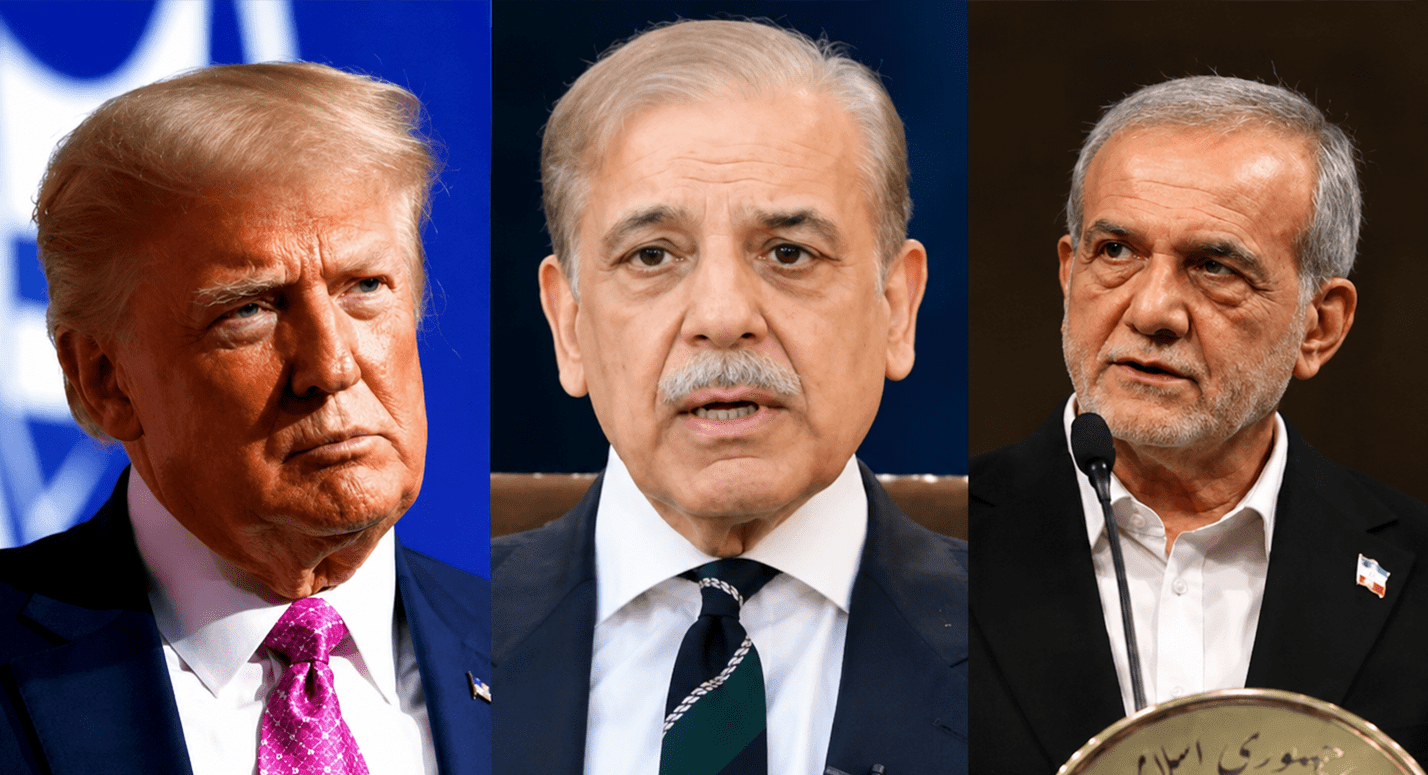

In a historic diplomatic achievement, Pakistan brokers US-Iran peace agreement. This agreement has received widespread international recognition for its efforts in facilitating a landmark peace deal between the United States and Iran. Importantly, this deal brings an end to a three-month conflict that had disrupted the Middle East. The conflict had also impacted the global economy. Indeed, Pakistan brokers US-Iran peace agreement in a way that sets a new precedent for regional diplomacy.
The conflict began on February 28 following military strikes by the United States and Israel on Iran. These strikes reportedly resulted in the death of Iran’s former Supreme Leader, Ayatollah Ali Khamenei. Consequently, the war triggered significant instability in the region. This led to concerns over global energy supplies and disruptions in international trade. In this context, Pakistan brokers US-Iran peace agreement, and their role in bridging the divide became more crucial than ever.
A major breakthrough was announced on Monday when Prime Minister Shehbaz Sharif revealed that the US and Iran had reached a peace agreement. He also stated that the official signing ceremony is scheduled to take place in Switzerland on June 19.
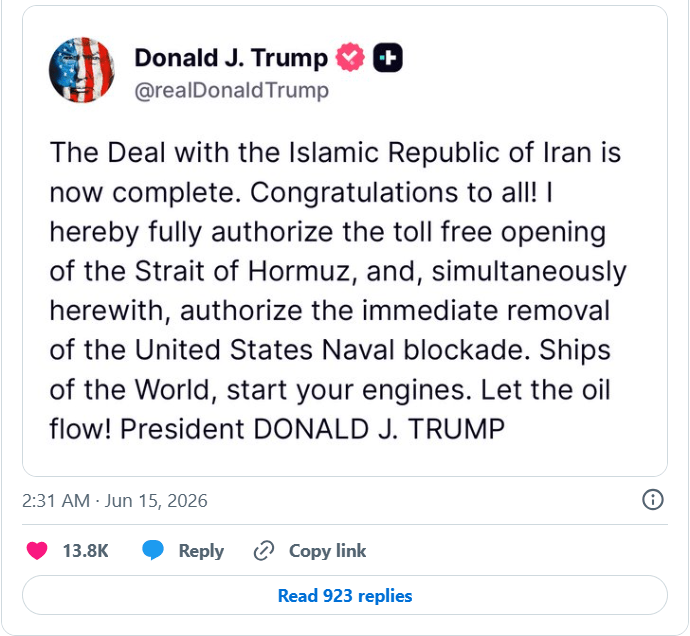
US President Donald Trump also confirmed the development. He announced the end of hostilities and the reopening of the strategically important Strait of Hormuz, a key route for global oil transportation. Moreover, the agreement is expected to ease tensions in the Gulf region. It is also expected to provide relief to international markets affected by the conflict.
Pakistan’s role in promoting dialogue between Washington and Tehran has been widely praised by world leaders and international organizations. The country played a significant part in encouraging diplomatic engagement and helping both sides move toward a peaceful resolution. Without a doubt, Pakistan brokers US-Iran peace agreement with great skill.
Leaders and officials from the United Nations, Saudi Arabia, Qatar, Türkiye, the United Kingdom, France, Germany, Japan, Australia, and New Zealand welcomed the agreement. They also acknowledged Pakistan’s contribution to the peace process.
United Nations Secretary-General António Guterres described the deal as a critical step toward regional stability and expressed appreciation for Pakistan’s efforts in facilitating negotiations. He noted that the agreement includes an immediate ceasefire and the reopening of the Strait of Hormuz. Furthermore, it contains a framework for future discussions.
Pakistan’s leadership, including Prime Minister Shehbaz Sharif and Field Marshal Syed Asim Munir, has consistently advocated for diplomatic solutions since the conflict began. In addition, their efforts were also credited with helping secure an earlier ceasefire agreement between the United States and Iran in April. Accordingly, Pakistan brokers US-Iran peace agreement as a model for future diplomatic interventions.
The peace accord is being viewed as a significant diplomatic achievement. It could improve regional stability, strengthen international cooperation, and support economic recovery worldwide.