As the FIFA World Cup 2026 draws closer, football is becoming more than just a sporting spectacle. It is emerging as one of the biggest influences in global fashion. From luxury labels and streetwear brands to sportswear giants, football-inspired style is shaping how fashion is designed. Additionally, it is influencing how fashion is marketed, and worn worldwide.
At the heart of this transformation is the modern football jersey. Once associated mainly with fans and stadium culture, jerseys have evolved into mainstream fashion pieces.
Leading brands such as Nike are driving this movement with their upcoming FIFA World Cup 2026 collections for teams including Brazil, France, and Nigeria. Therefore, they work for everyday fashion.
High-profile collaborations have further blurred the line between sports and luxury fashion. Partnerships like Jacquemus and Nike’s French national team collection have reimagined football apparel through a premium, runway-inspired perspective.
Meanwhile, football fashion is becoming increasingly accessible. Retailers such as Gap and Urban Outfitters have launched football-inspired collections featuring oversized T-shirts, caps, and casual streetwear pieces.
Streetwear brands continue to capitalize on the trend. Collaborations between Kith and Adidas, often linked to football superstar Lionel Messi, have transformed football merchandise.
Players themselves are also shaping style trends. Brazilian star Vinícius Júnior has become a prominent face of Nike Football. He represents a new era where football kits serve as global symbols of identity and culture.
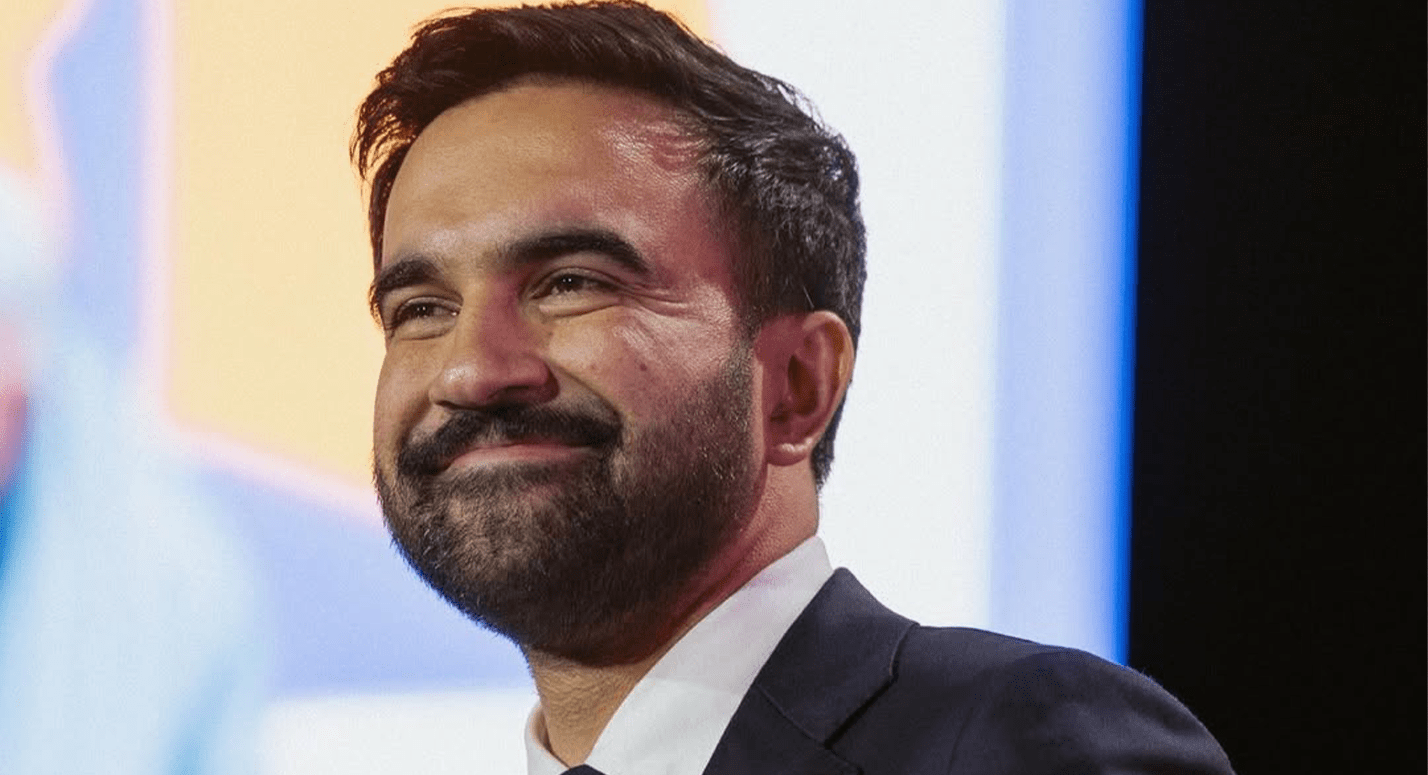
The influence of football fashion extends beyond athletes. Public figures, including New York City Mayor Zohran Mamdani, have embraced World Cup-inspired apparel. This highlights the sport’s expanding presence in mainstream culture.
As the countdown to FIFA World Cup 2026 continues, football fashion is proving to be far more than a temporary trend. It has evolved into a global lifestyle movement.